
KNOW THE HOME. PLAN YOUR NEXT STEP.
11-Month Warranty Inspection: When to Book and What to Prepare
Plan your Florida builder warranty inspection: when to book, what it costs and what to prepare before submitting concerns to your builder.

Quick recap
- An 11-month inspection helps document concerns before the relevant builder-warranty deadline. You can arrange it earlier.
- Bring your warranty instructions, a list of changes since move-in and any earlier repair records.
- Published prices start at $550 for homes under 2,000 square feet. Confirm the quote for your property and requested services.
After living in your new home, you know its everyday details. A room that stays warmer, a recurring stain or a door that has become hard to close is worth recording. An 11-month warranty inspection adds an independent look at accessible conditions, so you can bring specific questions and documentation to your builder.
When should I book an 11-month inspection?
Work backward from the deadline in your warranty. Leave room for the appointment, report review, questions and the builder’s submission process. The name “11-month inspection” is a planning cue, not a requirement to wait until month eleven.
Already seeing a concern? Record it and check your builder’s reporting instructions now. Scheduling an inspection does not extend a deadline. Coverage periods can differ by component; use your written warranty rather than assuming every item has a one-year deadline.
How much does it cost, and how long does it take?
Our Builder’s Warranty Inspection starts at $550 for homes under 2,000 square feet. Larger homes and additional requested services affect the quote. The visit typically takes about 2½–3 hours, depending on the property’s size and access to major systems.
Review the published price guide
See the inspection scope and request your property quote
What should I prepare?
- Your warranty start date, relevant deadline and builder’s submission instructions.
- A short list of concerns: which room, when the issue happens and whether it has changed.
- Photos, correspondence and records from previous repairs, if available.
- Access information, including any locked or restricted areas.
For example, “the bedroom is warmer most afternoons” gives the inspector more useful context than “check the AC.” Describe what you have noticed without guessing the cause.
What does a useful finding look like?
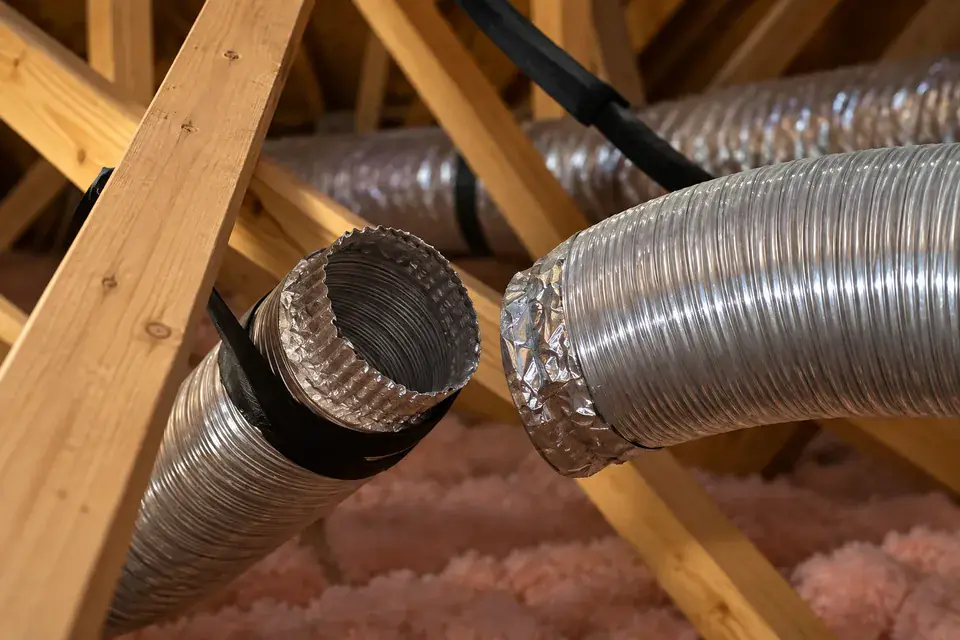
In an accessible attic area, an inspector documented a disconnected ventilation duct. A photograph, location and description gave the homeowner a specific item to discuss with the builder. Attic access was restricted, so the finding covered the area inspected.
The suggested next step is to discuss qualified correction before the applicable deadline. This example documents the finding; it does not establish whether a builder accepted coverage or completed a repair.
What happens after the inspection?
Read the findings, ask about anything unclear and follow your builder’s instructions for submitting concerns. Keep the report and the builder’s response together so you can track the next step. The inspection documents conditions; it does not decide coverage or guarantee a repair.
A builder warranty and a separately purchased home service contract are different products. The FTC’s guide explains the distinction and why your written coverage and claim instructions matter.
Read the FTC guide to warranties for new homes
Not moved in yet?
If the home is still being completed and you are preparing to close, start with New Construction Inspection. If you have been living in the home and want to document concerns for your builder, review Builder’s Warranty Inspection.
Explore New Construction Inspection before closing
Plan your Builder’s Warranty Inspection